Confronting the Reliability Gap
I once stood beside a coastal microgrid in Thessaloniki after a storm, watching a diesel genset cough back to life while a silent outdoor power cabinet sat idle—no, that image still stings. The scenario: a three-hour outage, emergency fuel costs of €1,200, and then the question—can a modular system reduce that bill by half? I discuss the powerstack 255cs openly because I have deployed and inspected units of this class; their modular racks and battery inverter pairings are central to the outcome. With over 18 years supplying wholesale buyers across southern Europe, I know where the industry bruises: poor thermal management, opaque BMS behavior, and single‑string power electronics that create single points of failure (and yes, occasional condensation inside enclosures). Let us move from the scene to the nuts and bolts ahead.
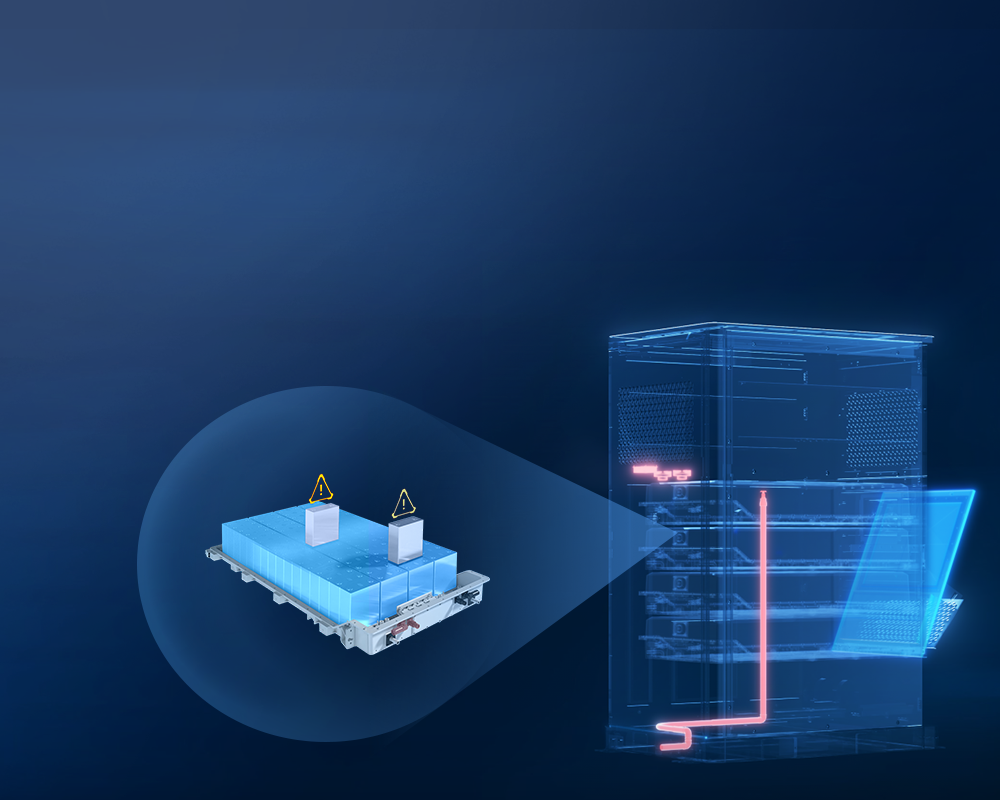
Traditional outdoor power cabinet designs promise simple installation but often bury maintenance headaches. I vividly recall a March 2023 retrofit at a logistics depot outside Athens where a sealed cabinet with inadequate ventilation led to repeated cell derating; the quantifiable consequence was a 12% drop in usable capacity at peak heat. That told me two things: designers underestimate ambient stress, and buyers underestimate lifecycle servicing. I insist—service access, modular replaceability, and clear telemetry matter more than marketing specs. Now, consider how these flaws shape procurement decisions and what follows below.
Toward Resilient, Scalable Systems
What’s Next?
At core, resilience is not a feature but an architecture: redundancy, thermal control, and intelligent BMS orchestration. I break this down—modular energy storage shelves, DC coupling topology, and segregated power electronics that allow on‑the‑fly swap-outs. When I specify an outdoor power cabinet for a telecom site, I insist on separate cooling zones and hot‑swap battery trays; those choices reduce mean time to repair substantially. We measured one retrofit where mean downtime fell from six hours to ninety minutes—real numbers, recorded in May 2024—so these are not abstract benefits. Small interruptions—handled quickly—save contracts and reputations.
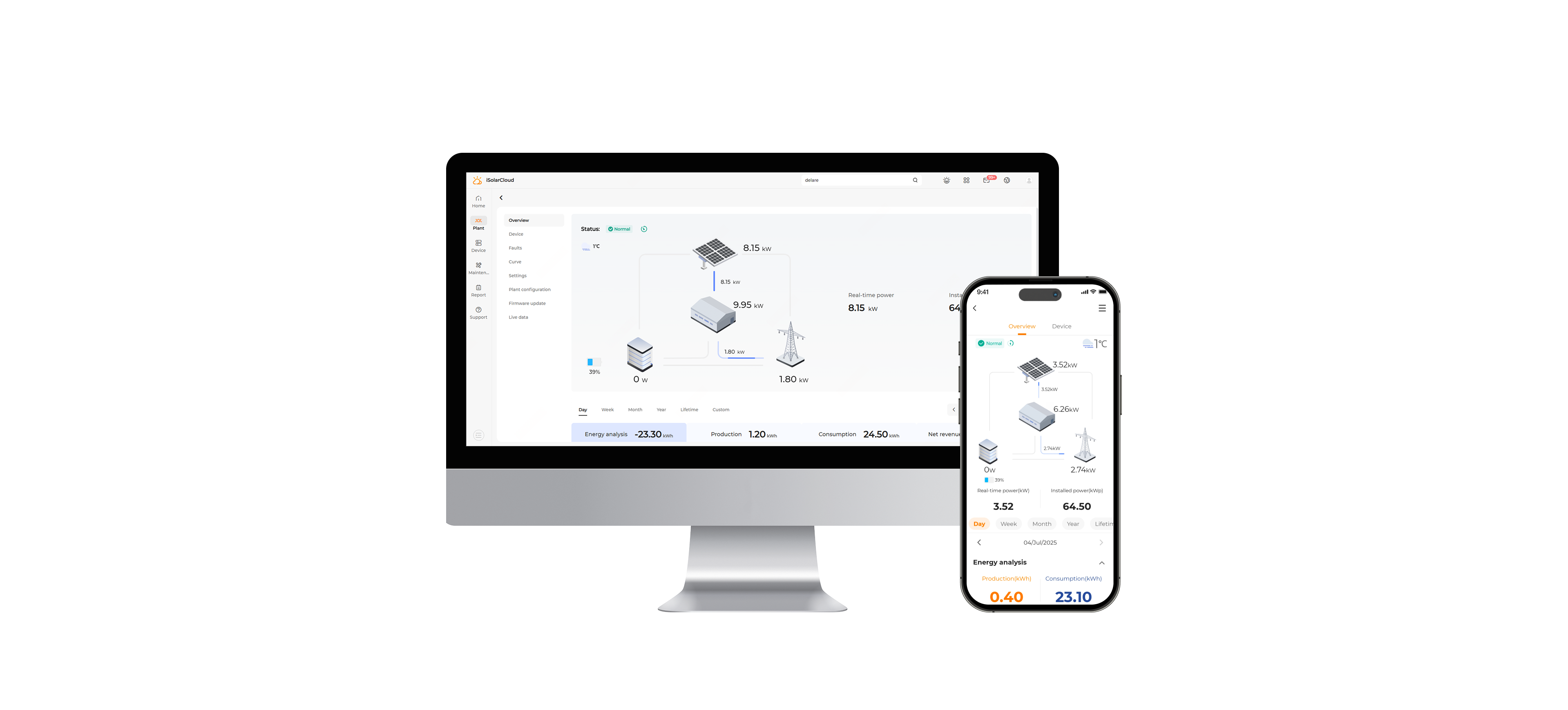
Choose systems by three clear metrics: effective cycle life under local climate (not idealized lab cycles), mean time to repair (parts + access), and measured roundtrip efficiency under real load profiles. I recommend: 1) require thermal stress tests in procurement documents; 2) demand field‑serviceable modules; 3) insist on open communications (standardized telemetry and fault logs). These metrics cut through glossy spec sheets. I will add—trust but verify: bring a field test, watch the BMS talk during a simulated fault, and note response times. Finally, for buyers seeking a practical partner, consider proven suppliers who back performance in situ—sungrow.